 By
By 
Learning how to start cooking from scratch doesn't have to be difficult. With a few simple tips and tools, you can easily put together a home-cooked meal to bring your family together.
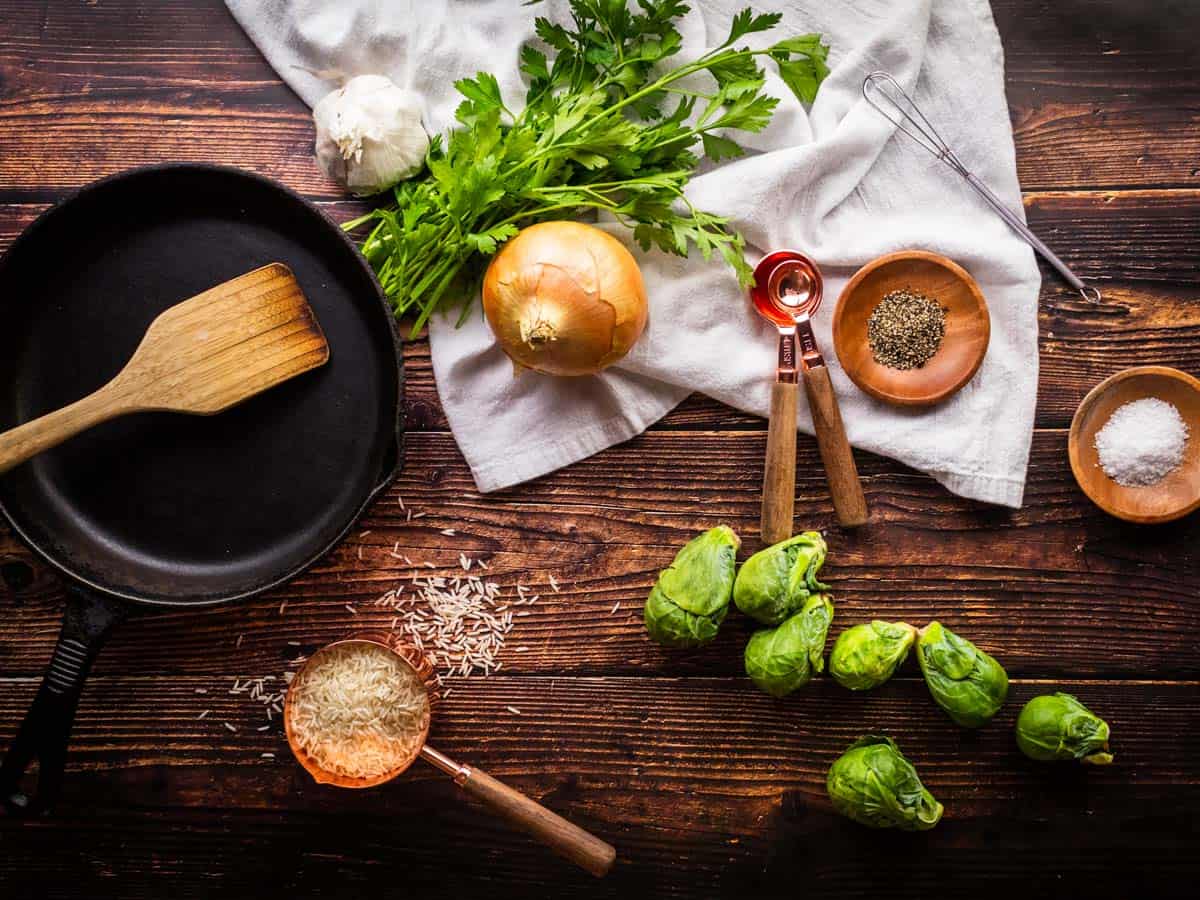
Cooking from scratch is something anyone can do. You don't need formal training, fancy equipment, or difficult recipes. It can be done with basic skills, easy recipes, and whole foods.
Not only is cooking from scratch better for you, but it can bring the whole family together for a delicious meal and lasting memories.
Here are my top tips for feeling confident in the kitchen to be successful.
Plan ahead
It's always a good idea to plan when you are cooking from scratch. It will make sure you know what you are doing and help you stay organized. It will also ensure you have the skills, tools, and ingredients you need.
Meal Planning
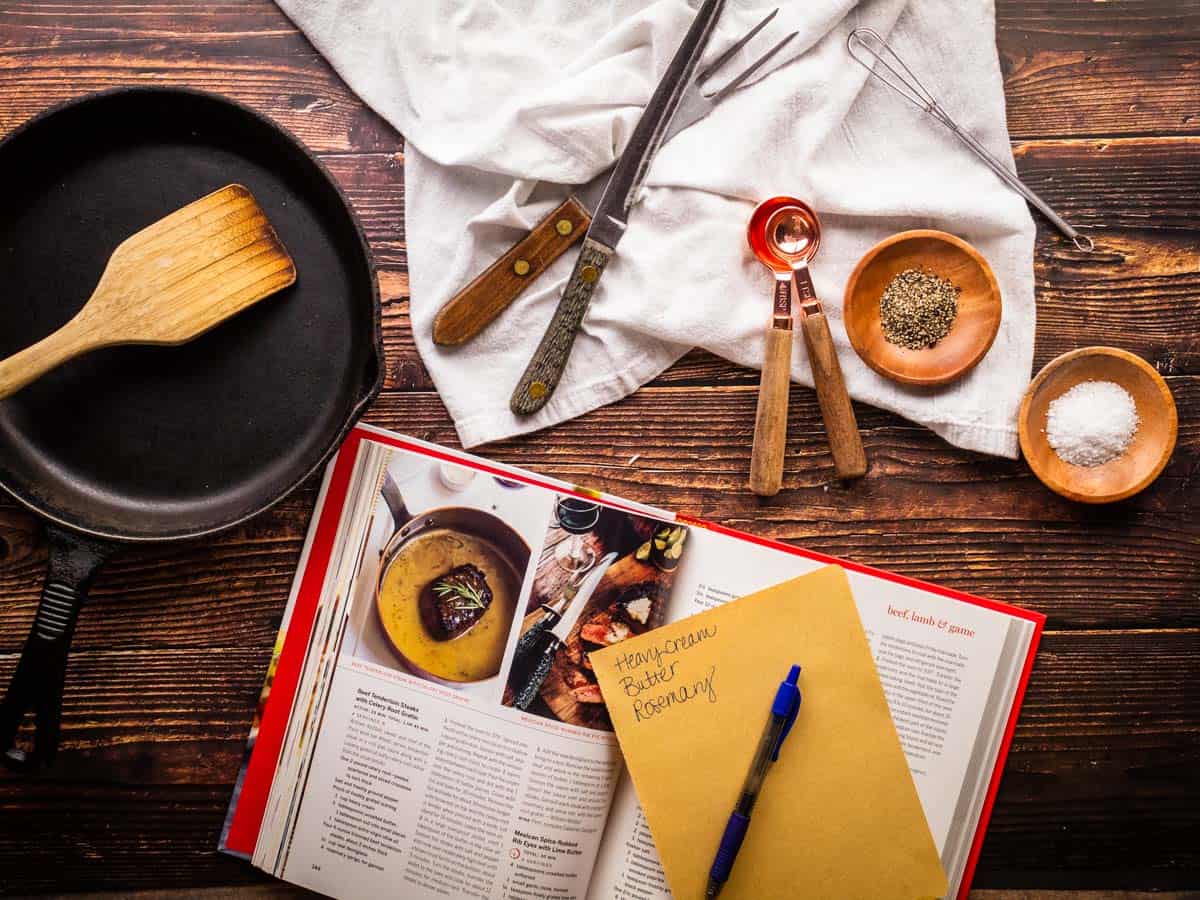
Meal planning is a great habit to start with when learning to cook. Start by planning 3-4 homemade meals for the week that are easy to make. If you have a more difficult recipe, save that for the weekend when you have more time.
- Read through the entire recipe, including the ingredients, instructions, equipment, and notes.
- Ensure you are comfortable with the techniques used and that you have the necessary equipment.
- Go through your pantry and refrigerator to see what you have on hand. Make a shopping list of any ingredients you don't have.
- Before cooking, re-read the recipe, so you know what is happening and when.
- Gather all of the ingredients, equipment, and utensils.
- Prep, measure, and wash ingredients, and then you are good to go.
Start easy
It's tempting to start with an elaborate four-course meal or decadent layer cake. Instead, start with an easy recipe that will help build confidence.
You can start by making a sauce from scratch to serve with a meal you are already know how to make.
Is there a certain prepared ingredient you always buy? Why not try making that from scratch!
Once you have mastered a few simple recipes, it's a good idea to continue to practice. Get comfortable with the basic techniques so you can add your own twists and make up your own recipes!
The more you practice, the quicker you will become, and you will also be able to come up with new ideas.
Make double
Spending the time to cook from scratch is a lot to do every weeknight. If you are making a lasagna, double the recipe, and freeze the second one for later. Your future self will thank you!
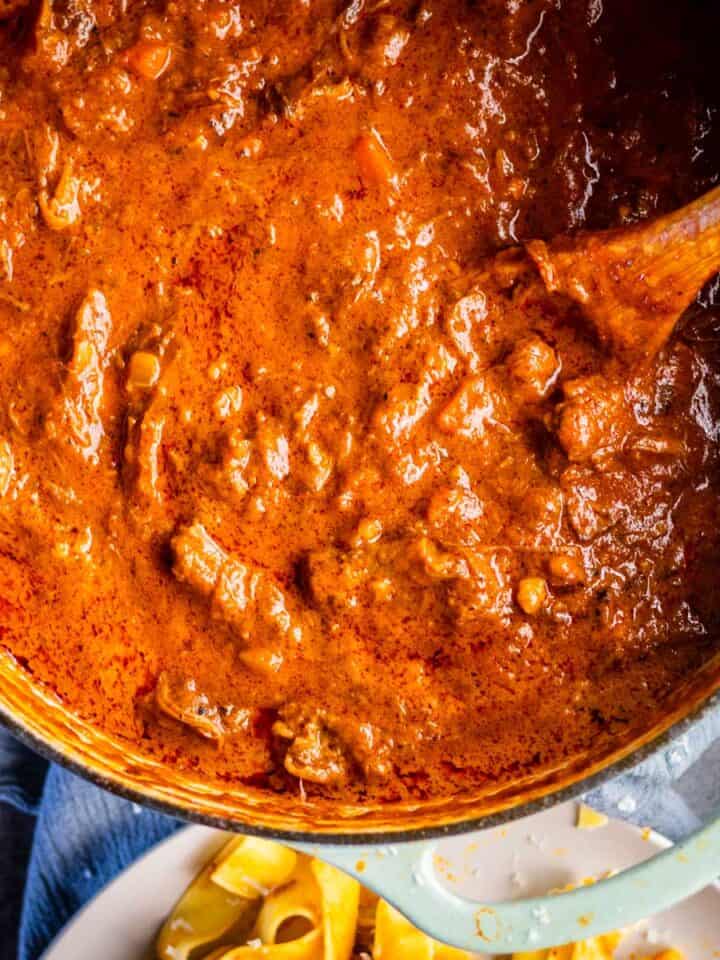
Beef Stock, Banana Bread, Pulled Chicken, or Sunday Gravy are other recipes to practice cooking in large quantities.
Stock your pantry
Having a stocked pantry with basic ingredients and seasonings makes it easy to cook regularly. This way, when you are meal planning for the week, you know you only need to shop for fresh ingredients.
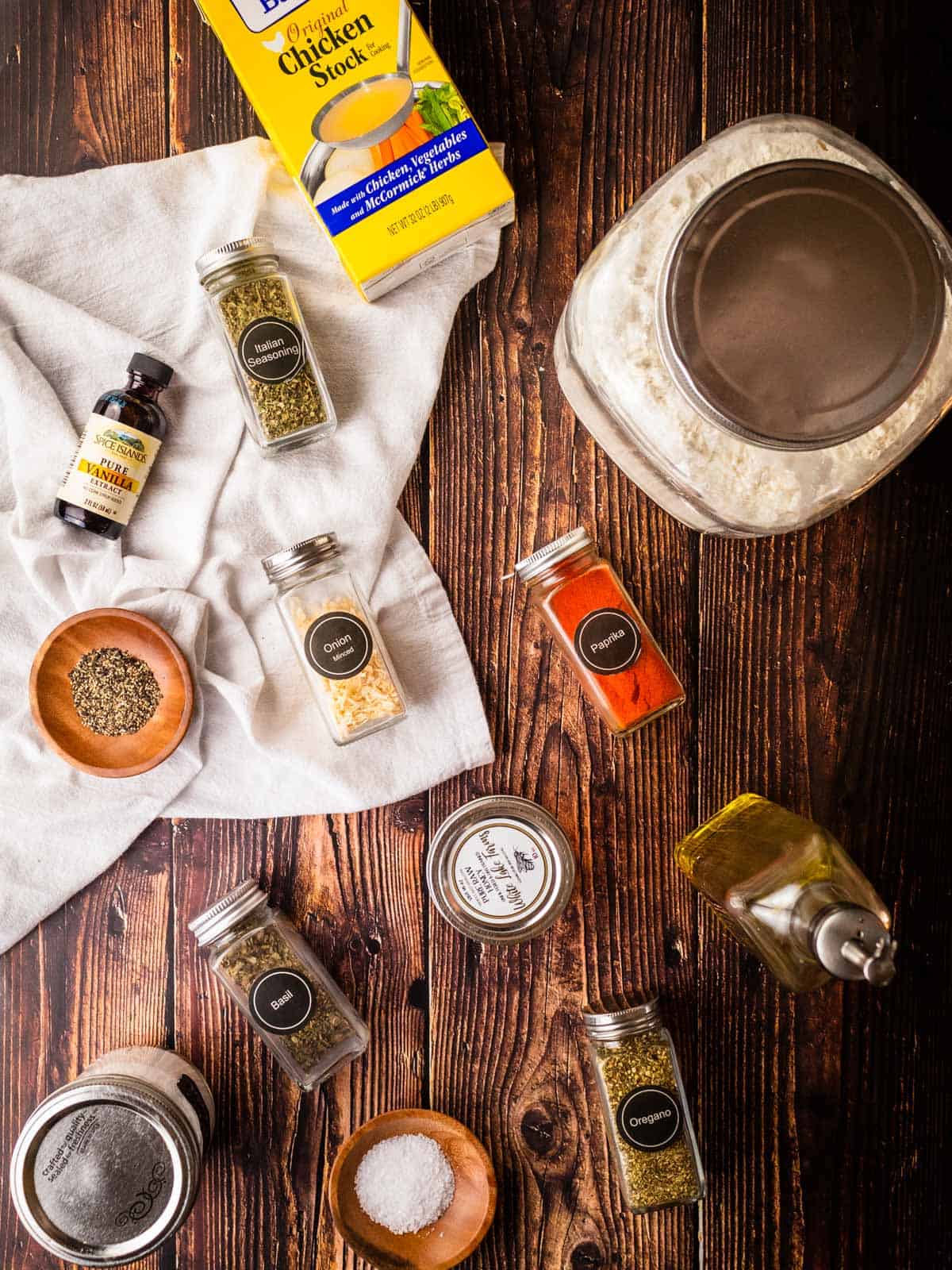
Grab a few basic spices to use for everyday cooking. As you make different recipes, you can add more seasonings to grow your spice and herb collection.
I personally like using these spice jars with labels (affiliate link) so I can easily see and find the seasonings that I need when I'm cooking.
Having basic baking ingredients on hand is also a good idea. Keeping a stock of flour, sugar, baking powder, and cocoa powder will make it easy for you to bake.
I store all of my bulk dry ingredients in these glass jars (affiliate link) and wide-mouth mason jars (affiliate link).
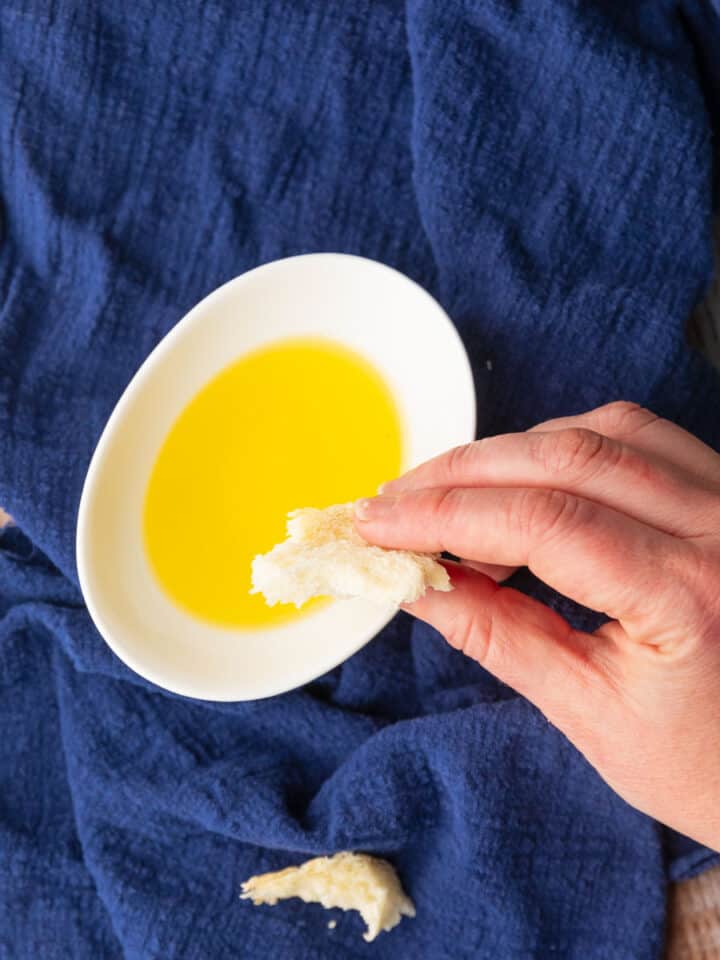
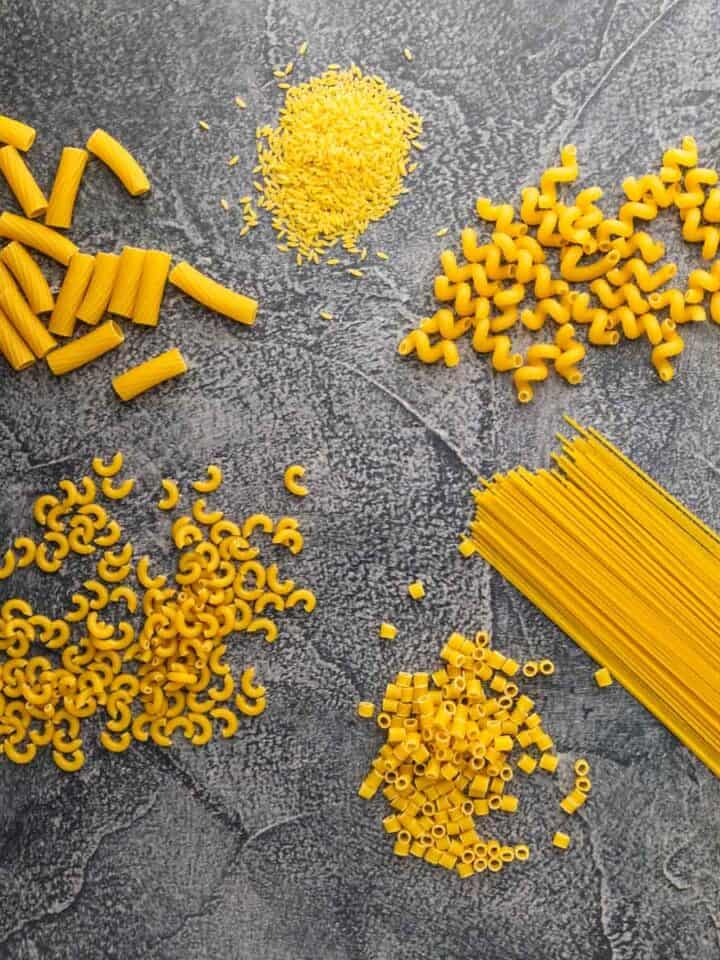
Other pantry staples that are nice to have on hand include oils, vinegars, stocks, pasta, beans, and more.
Invest in a few kitchen tools
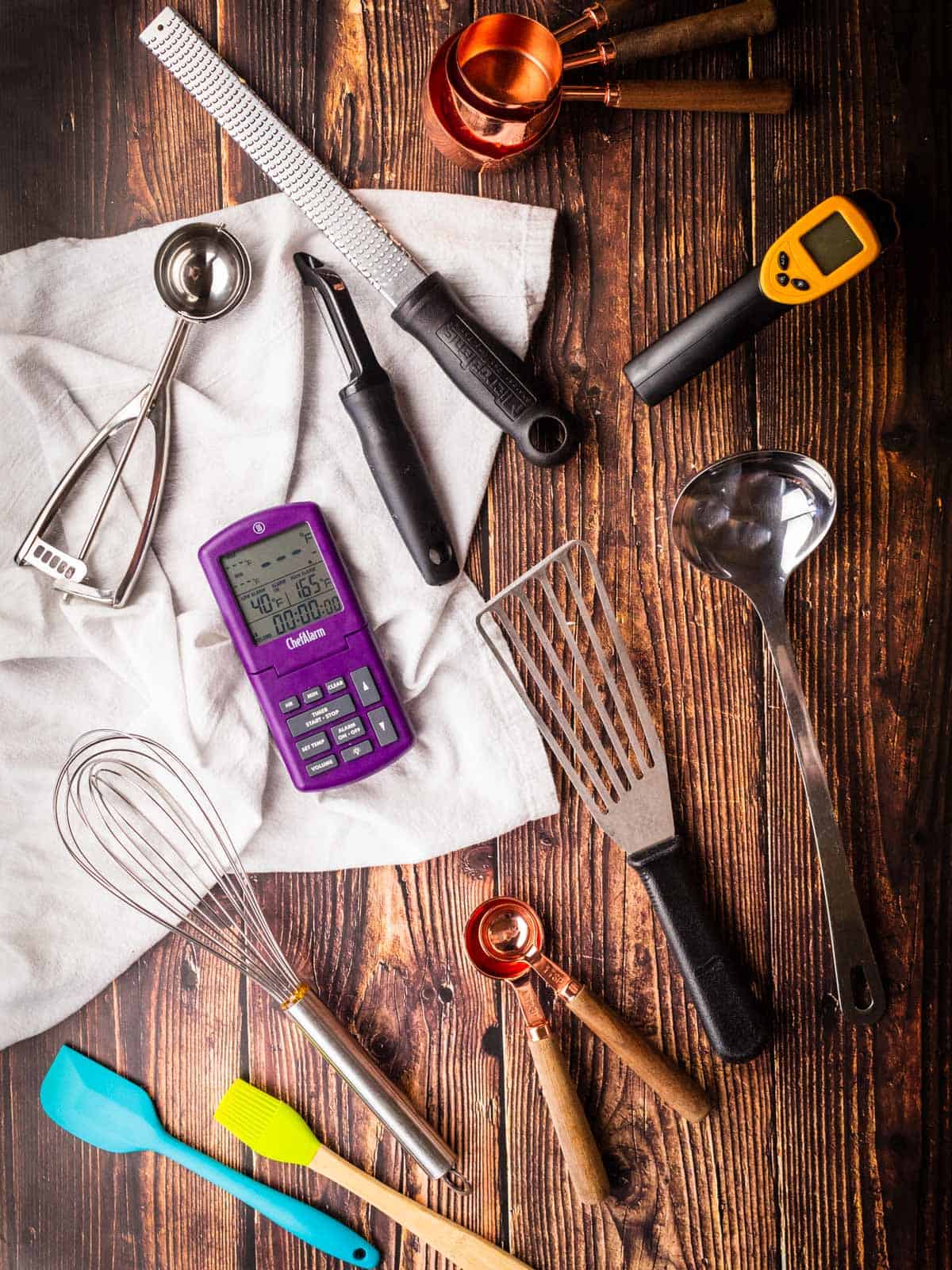
You don't need the fanciest knives or the most expensive pots and pans. Here are a few key items that I recommend:
Cookware - Get a decent set of pots and pans. They can be non-stick, stainless steel, cast iron, or a mix of all of the above. Instead of investing in a huge set, pick one of each kind and see what you prefer.
- Stainless steel is great for simmering sauces and searing meat. I have a full set that I use regularly for everything from boiling pasta to making soup, cooking meat, and sautéing vegetables.
- Non-stick pans are great for delicate foods like crepes, eggs, pancakes, and other things that may stick to the pan.
- Cast iron is also very popular and something that I use in my kitchen just as much as my stainless steel set. They retain heat very well, and are perfect for baking, stews, braising, and more. I have a cast-iron dutch oven and a few skillets of various sizes that I love and use frequently.
Bakeware - Having a few bakeware items will be key for both cooking and baking. Sheet pans and cooling racks are great for baking, but also for roasting meat and vegetables.
Cake pans, loaf pans, muffin tins, and pie plates can be used for dips, breading, and cooking savory items.
Don't forget to get some decent glass or ceramic baking dishes as well. They are great for things like cinnamon rolls or casseroles.
Knives - I personally love and use Wusthof knives in my kitchen, but they can be pricey. You can buy a less expensive set or a few key knives that do a variety of things.
A chef's knife, a paring knife, and a serrated knife will help you accomplish most things in the kitchen. As you perfect your knife skills, you can buy a more expensive set or expand the current one.
Utensils - Buy a variety of tools, like mixing spoons, spatulas, whisks, and ladles. I personally use a variety of wooden, metal, and heat-proof silicone tools.
Small Appliances - A hand mixer or stand mixer is great for baking. A food processor or blender is great for making sauces, soups, and dips. If you are tight on time, an Instant Pot or Crock Pot might be a good addition.
Miscellaneous - Don't forget some of the smaller tools, like measuring cups and spoons, mixing bowls, cutting boards, and colanders.
One important thing to remember is to know yourself and your kitchen space. If you don't like baking -- don't buy a fancy stand mixer. If you don't have a lot of storage space, then be mindful about how many tools and equipment you purchase.
Practice
Part of learning how to start cooking from scratch is building your confidence. You can do this by practicing different techniques. Practicing is the best way to build your skill set and become a better cook.
Find a recipe you like and keep making it. Soon, you will start to see how different techniques work and will be able to apply them to other recipes.
To help perfect your skills, check out all of my From Scratch Essentials. These recipes come with easy step-by-step instructions with photos to help you along the way.
Glossary
If you don't recognize a tool or skill I mentioned, you can look it up in my Glossary of Cooking Terms and Definitions for more information!
Comments
No Comments