
 By
By 
Homemade pizza night has become a weekend tradition in our house, and this overnight pizza dough recipe is the dough I use every single time. Letting the dough slowly rise in the refrigerator overnight develops incredible flavor and creates a crust that's crisp on the outside, chewy on the inside, and easy to stretch. With just 5 simple ingredients and a little planning ahead, you'll have pizza-shop-quality dough ready for your next pizza night.
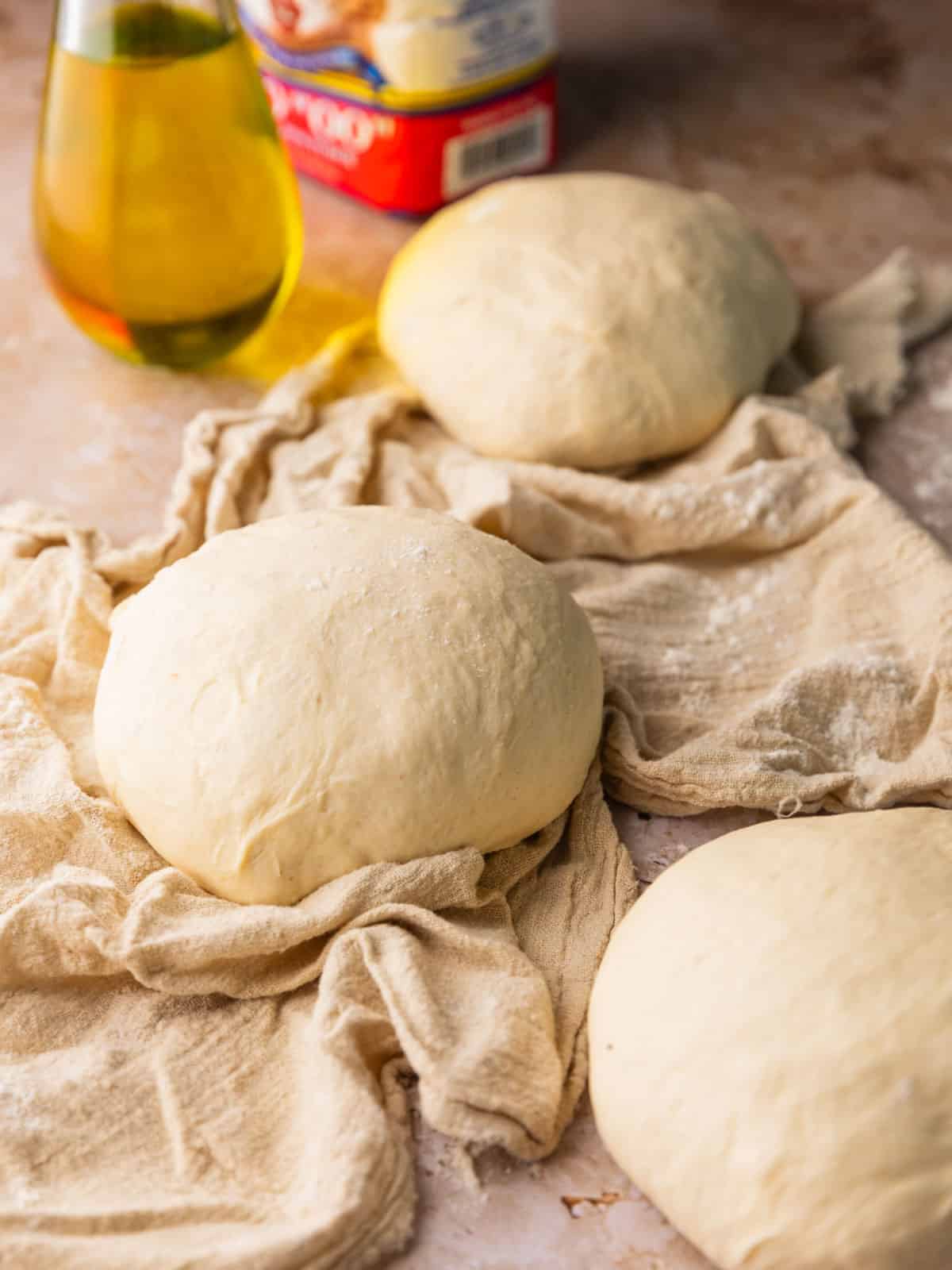
I've made a lot of homemade pizza over the years, and this overnight pizza dough recipe is the one I come back to again and again. The 24-hour cold fermentation creates incredible flavor, improves the texture of the dough, and makes it easier to stretch when it's time to make pizza. It takes a little extra planning, but the results are well worth it.
Jump to:
Why You'll Love This Recipe
- Only 5 simple ingredients - No specialty ingredients required.
- Make it ahead of time - The dough rises overnight in the refrigerator, making pizza night easier.
- Incredible flavor - The 24-hour cold fermentation develops a richer flavor than most same-day pizza dough recipes.
- Easy to stretch and work with - The dough becomes smooth, elastic, and less likely to spring back.
- Perfect for homemade pizza night - Great for customizing with your family's favorite toppings.
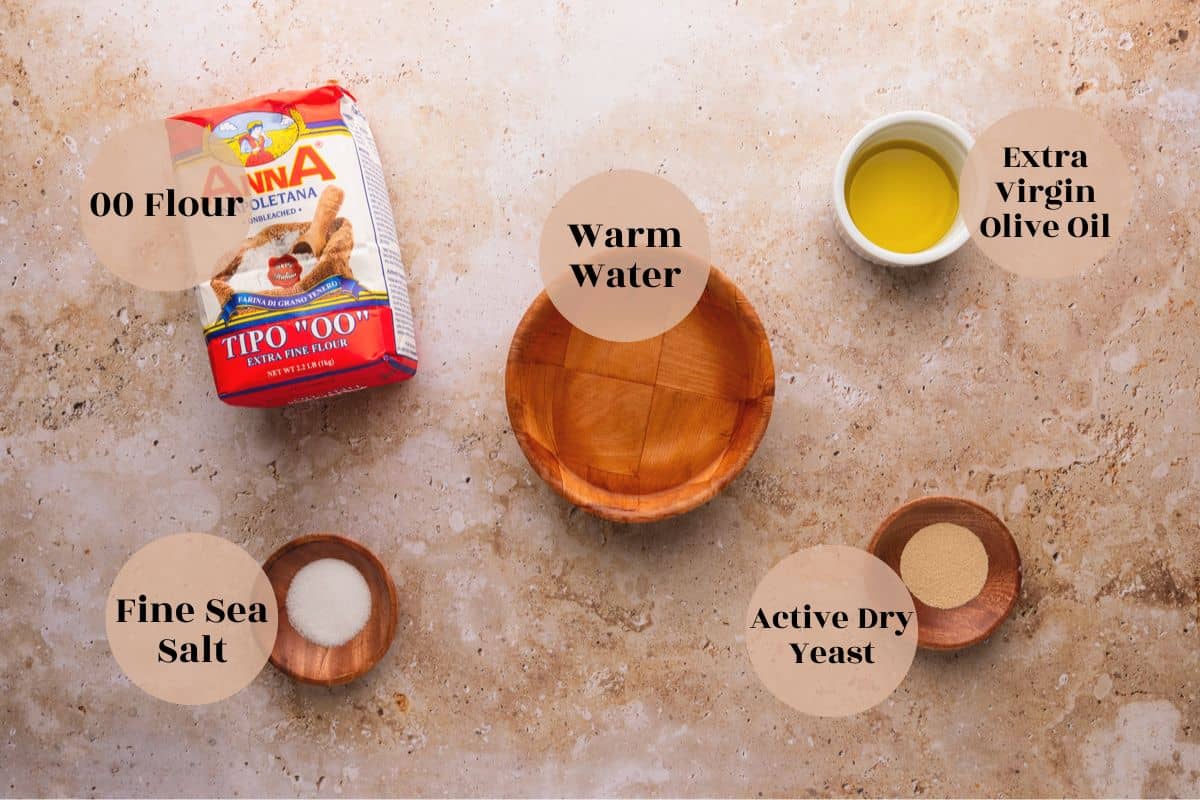
Ingredients You'll Need
- 00 Flour - 00 flour is a finely ground Italian flour that creates a light, tender pizza crust with just the right amount of chew. It's my preferred flour for homemade pizza night because it stretches beautifully and bakes into a crisp yet airy crust. If you can't find 00 flour, bread flour is my next choice. Bread flour has a higher protein content, creating a slightly chewier texture. All-purpose flour will also work in a pinch.
- Active Dry Yeast - I typically use active dry yeast because it's what I keep stocked in my pantry for homemade breads and doughs. Instant yeast works well too, though the dough may rise a little faster.
- Sea Salt - Salt adds flavor and helps strengthen the dough's gluten structure, contributing to its chewy texture.
- Extra Virgin Olive Oil - A small amount of olive oil helps create a soft, easy-to-work-with dough and adds flavor.
- Water - Lukewarm water helps activate the yeast and brings the dough together.
How to Make Overnight Pizza Dough
Activate the Yeast
Pour the warm water into a large mixing bowl and sprinkle the yeast over the top. Let it sit for about 5 minutes until the yeast becomes foamy. If the yeast doesn't foam, it may be expired, or the water may have been too hot or too cold.
Mix the Dough
Add 4 cups of flour, olive oil, and sea salt to the yeast mixture. Stir until a shaggy dough forms. The dough may look rough at this stage, but it will come together as you knead it.

Knead Until Smooth and Elastic
Turn the dough onto a lightly floured work surface and knead for 5-7 minutes. The dough should become smooth, soft, and slightly tacky but not sticky. Proper kneading helps develop the gluten, which gives the crust its chewy texture.
Cold Ferment the Dough
Place the dough ball in a zip-top bag or airtight container and refrigerate for at least 8 hours. For the best flavor and texture, I recommend letting the dough rise for a full 24 hours in the fridge. During this time, the slow fermentation develops the rich flavor that makes homemade pizza dough so delicious.

Bring the Dough to Room Temperature
Remove the dough from the refrigerator about 20 minutes before baking. This makes it easier to stretch and shape without springing back.
Shape and Top the Pizza
Stretch the dough onto a pizza pan, pizza stone, or baking sheet. Add pizza sauce, cheese, and your favorite toppings. Be careful not to overload the pizza, which can make the crust soggy.
Bake Until Golden Brown
Bake in a preheated 475°F oven for 12-14 minutes, or until the crust is golden brown and the cheese is melted and bubbly. Let the pizza cool for a few minutes before slicing and serving.

Why a Cold Ferment Makes Better Pizza Dough
The secret to great homemade pizza dough is time. As the dough slowly ferments in the refrigerator, the yeast continues to work, developing deeper flavor and improving the texture of the dough.
In my experience, a full 24-hour rise creates a dough that is easier to stretch, bakes up with a crisp yet chewy crust, and has a much more complex flavor than a quick same-day dough. While the dough can be used after 8 hours, I always try to give it the full 24 hours whenever possible.
This slow fermentation process is what gives overnight pizza dough its signature texture and flavor, making it worth the extra planning ahead.
How to Freeze Pizza Dough
This overnight pizza dough freezes beautifully, making it easy to prepare dough in advance for future pizza nights. I usually make a double batch and freeze extra dough, so homemade pizza night is even easier on busy weekends.
To freeze, wrap each dough ball tightly in plastic wrap and place it in a zip-top freezer bag or freezer-safe container. Freeze for up to 3 months. When you're ready to use it, thaw the dough in the refrigerator overnight and bake as directed the next day.
Frequently Asked Questions
How do I know when pizza dough is ready to use?
The dough should be noticeably puffier and nearly doubled in size. When gently pressed with your finger, the dough should slowly spring back rather than immediately bouncing back. You may also see small air bubbles throughout the dough, which is a sign that fermentation has taken place.
Why is my pizza dough difficult to stretch?
Cold dough and tight gluten are the most common reasons pizza dough resists stretching. If the dough keeps shrinking back, let it rest at room temperature for an additional 10-15 minutes before trying again. This gives the gluten time to relax, making the dough easier to shape.
Can I make pizza dough more than 24 hours in advance?
Yes. While I typically use this dough after a 24-hour cold ferment, it can stay in the refrigerator for up to 48 hours. The longer fermentation will continue to develop flavor, though the dough may become softer and slightly more difficult to handle.
What's the best way to bake homemade pizza?
This dough works well on a pizza stone, baking steel, pizza pan, cast iron skillet, or baking sheet. For the crispiest crust, preheat your oven fully and bake on a pizza stone or baking steel whenever possible.
Ways to Use Pizza Dough
This overnight pizza dough can be used for much more than traditional pizza. Try it for stromboli, bread bites, cast iron pizza, breakfast pizza, and more.
Recipe

Overnight Pizza Dough
Video
Equipment
Ingredients
- 1 ½ cup warm water
- ½ teaspoon active dry yeast
- 4 - 4 ½ cup 00 flour, bread flour
- 2 Tablespoons extra virgin olive oil
- 1 teaspoon fine sea salt
Instructions
- Pour the warm water into a large bowl and sprinkle the yeast on top. Let the yeast mixture sit for 5 minutes until it gets foamy.
- Add 4 cups of flour along with the extra virgin olive oil and sea salt and stir until the rough ball of dough forms.
- Turn the dough out onto a floured surface and knead for 5-7 minutes until smooth and elastic. The dough should be tacky but not sticky. Add more flour a little bit at a time if needed.
- Once kneaded, divide the dough into two pieces and place each dough ball in a zip top bag or airtight container. Place in the refrigerator to rise for at least 8 hours or up to 24 hours for best results.
- After rising, let the dough come to room temperature for 30 minutes and preheat the oven to 475˚F.
- Stretch each dough ball out onto an oiled pizza pan or stone, sprinkled with cornmeal.
- Add the desired toppings to the pizza and bake in the preheated oven for 12-14 minutes until the crust is golden brown and the cheese is melted.



Comments
No Comments